A home with history
Leaving an indelible mark on the landscape
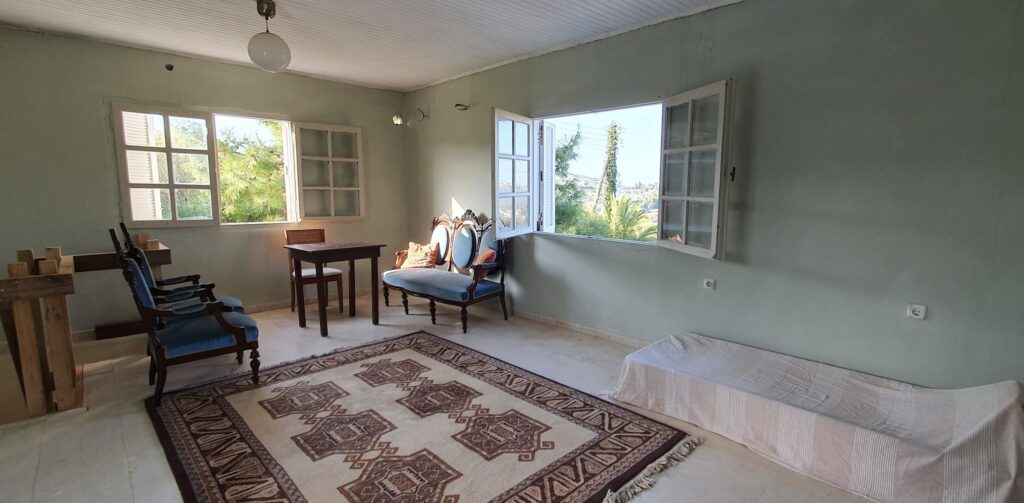
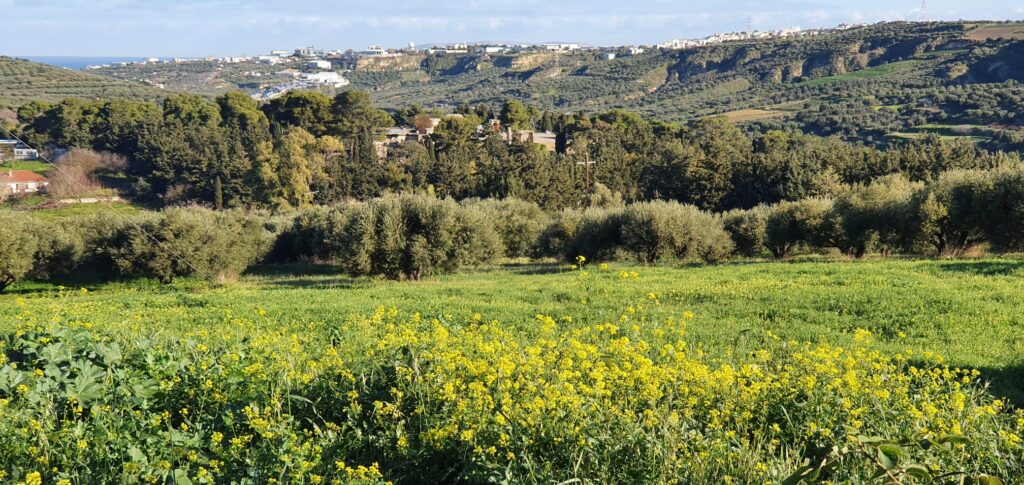
Villa Phyllia
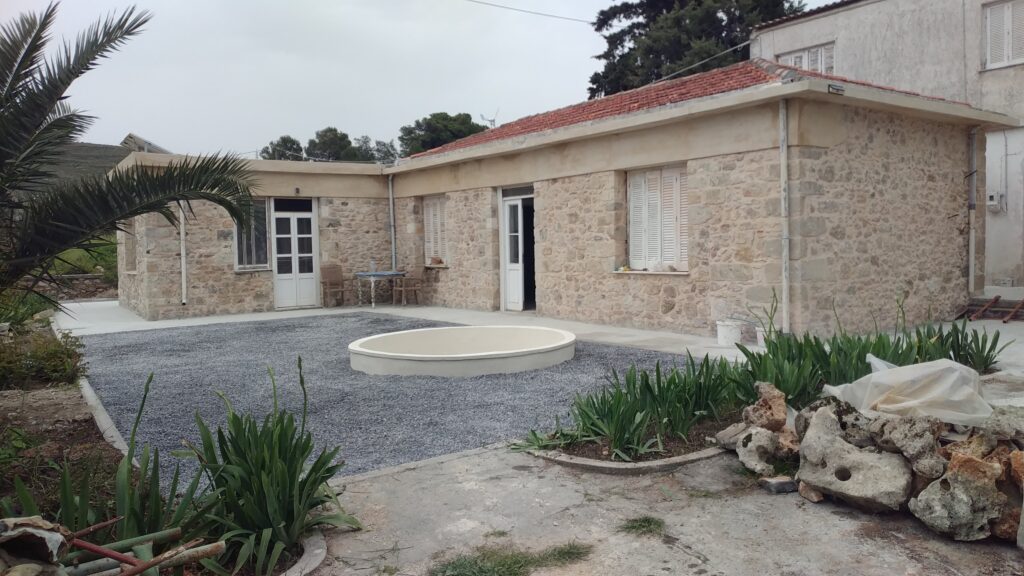
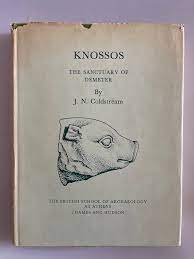
The property and buildings that make up the creative centre known now as Villa Phyllia has a history that begins in modern times back to the late nineteenth century and beyond – our land has been identified as the location of a sanctuary of Demeter -the goddess of earth fertility.
The property came into our family when, as a teenager, Emmanuel Akoumianakis, arrived barefoot at Knossos and presented himself for employment. Emmanuel had walked from his home villa of Gerakari to escape a vendetta that his family were facing; discarding his surname of Papathakis for a new family name of Akoumianakis: taken from the river Akoumia near his original home. Self-survival brought him to Knossos where the news was that the excavations there required fit workers for the newly discovered Palace of King Minos – the heart of the Minoan civilisation.
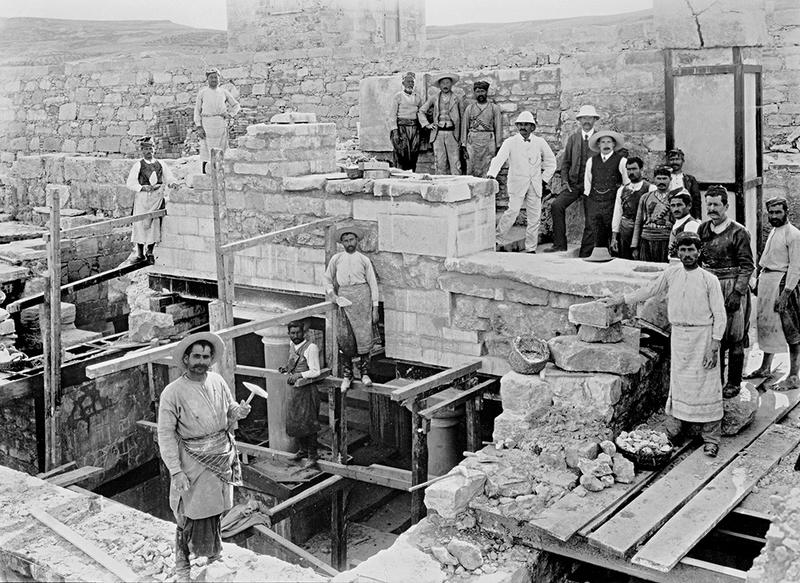
Emmanuel did very well and was rapidly promoted by Arthur Evans who appreciated the young man’s ability and enthusiasm. It was not long before ‘Manolis’ became Evans’ foreman and right-hand man responsible for managing the large workforce that had grown as the archaeological site became known internationally.
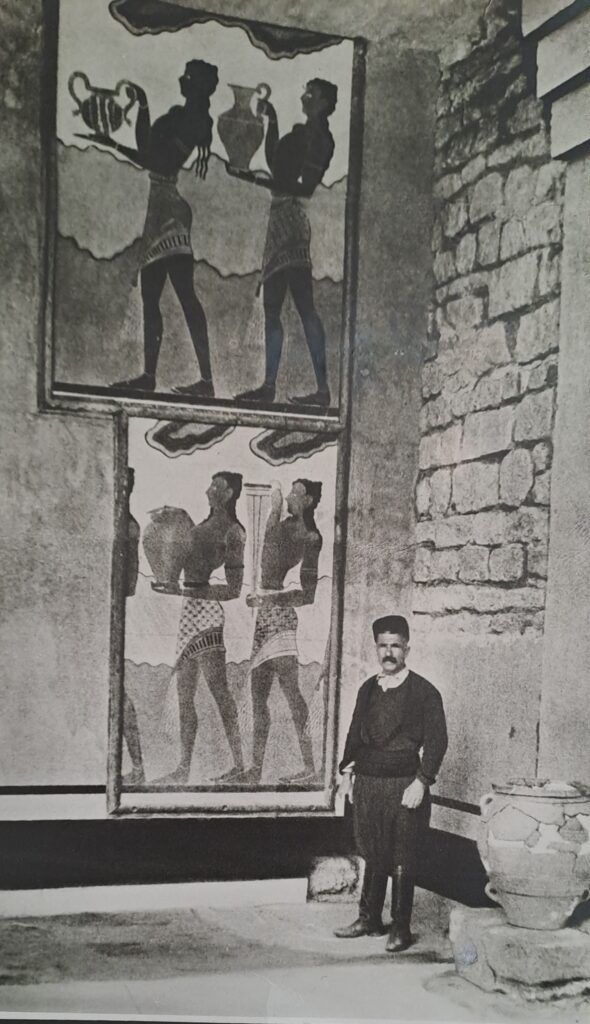
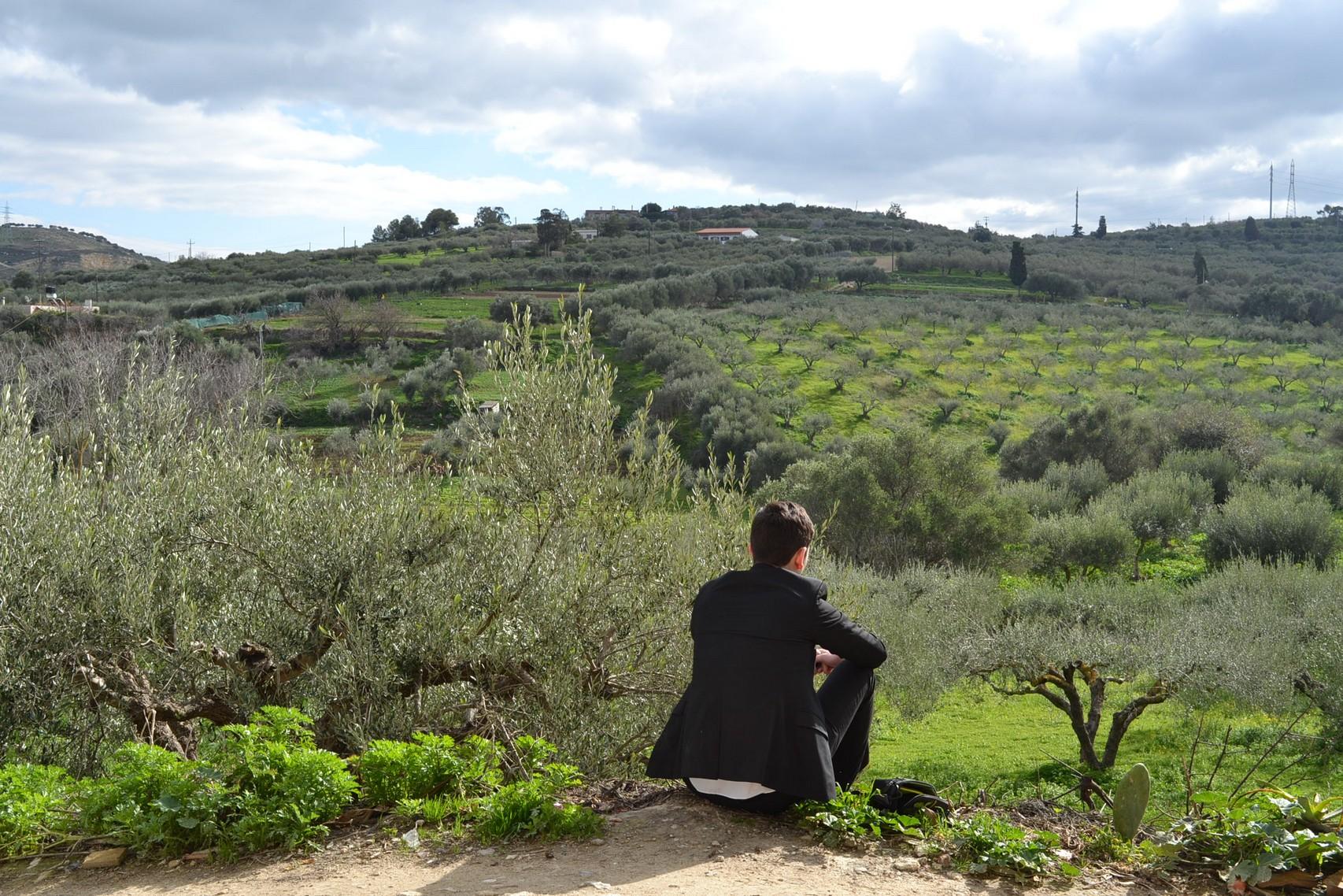
As a consequence of his success, Akoumianakis could afford to buy land in the area – vineyards, olive groves and a barn for sheep on the hillside overlooking the palace -the site that has now become ΦΙΛΙΑΣ (Villa Phyllia), as it passed down the generations of the Akoumianakis family to his daughter Phyllia, her son Peter and to his children, Oliver and Eva. Phyllia’s date of birth was always a mystery to the family. She was in fact born in 1921 not 1925 as shown in her passport. She was slightly older than her husband John. So her brother Micky Akoumianakis arranged a minor modification of her birth certificate to make her five years younger! If only it was so simple today! No smartphones then, no instagrams, no WhatsApps but a small blurred photograph of Phyllia dancing arm in arm with two girls. It reminds me of a fresco or an ancient vase . A smiling happy young woman. She is wearing boots – according to my family the first girl in Knossos who did so. And the first girl to ride a bicycle.
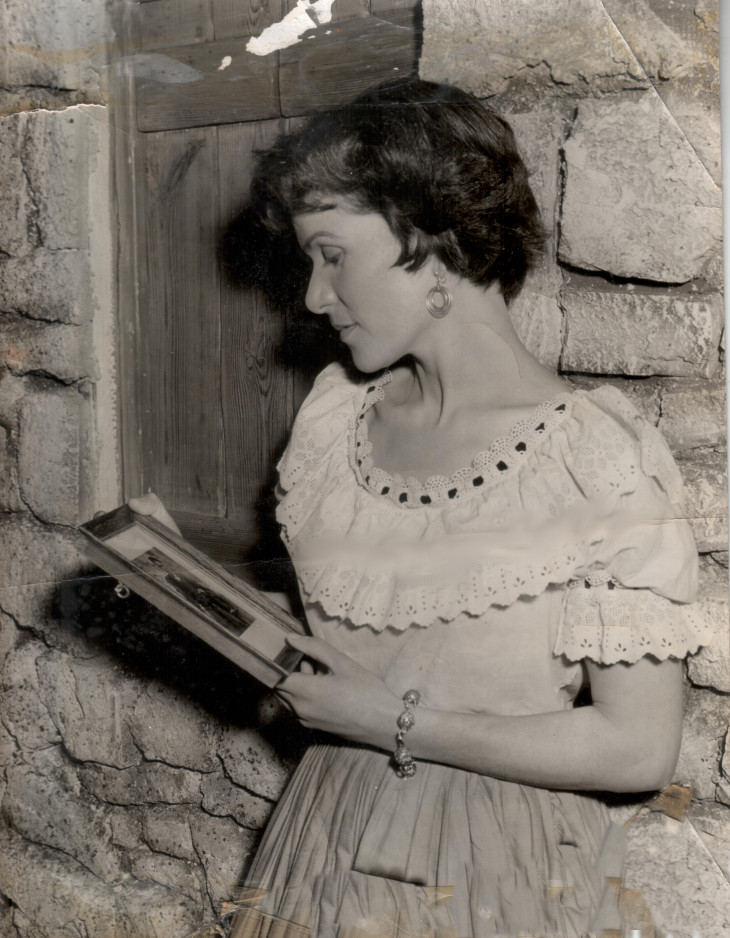
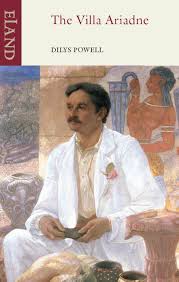
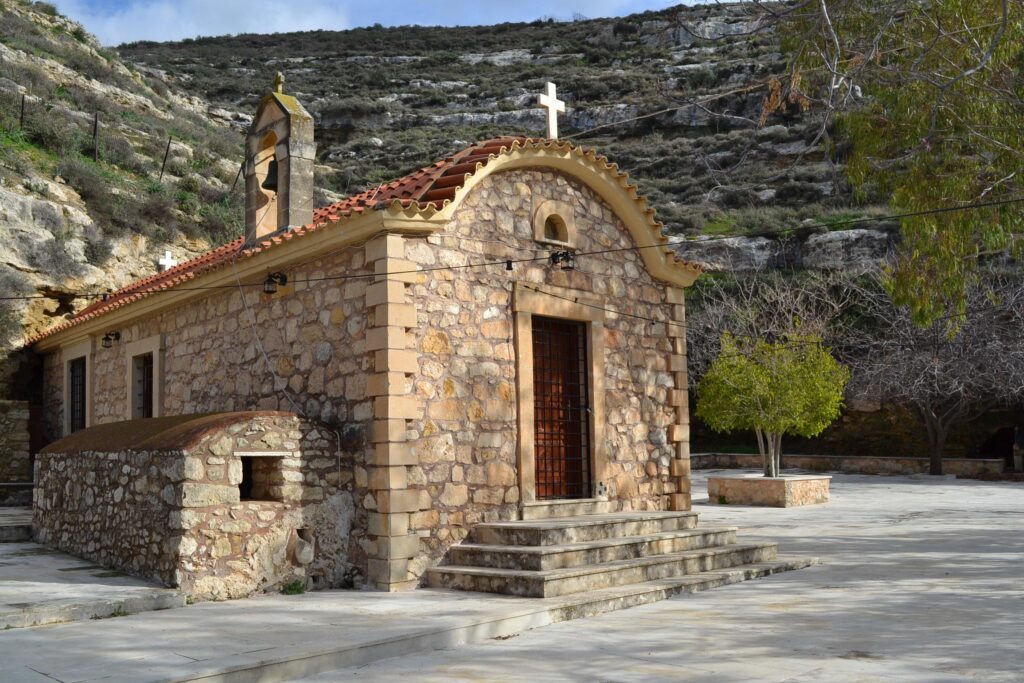
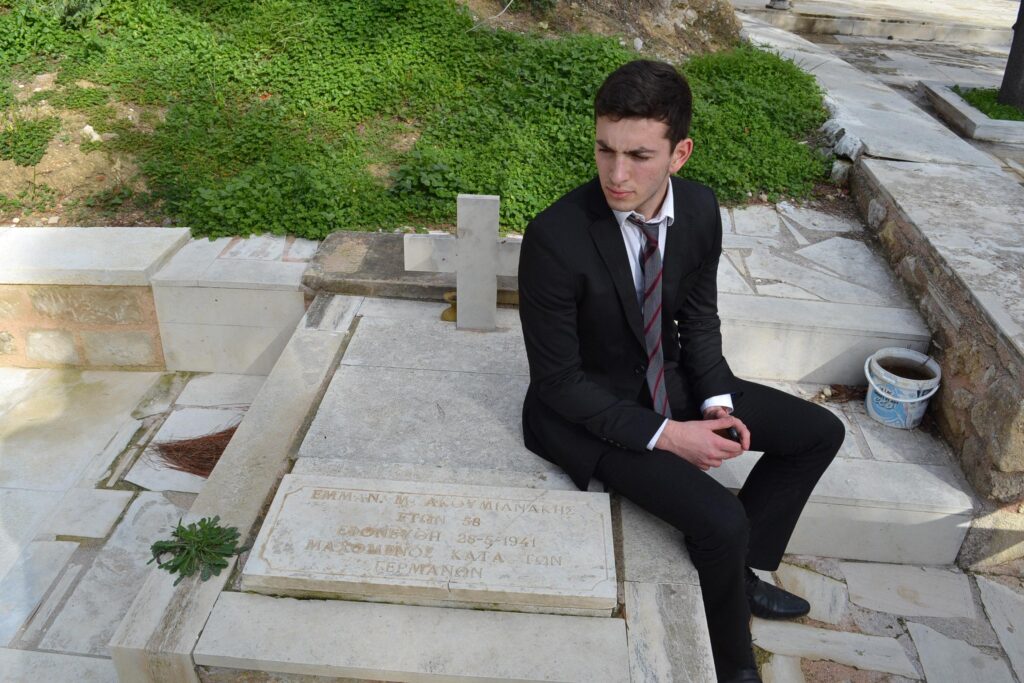
Her early life in Knossos Crete was bliss. She spoke about the gardens of the villa Ariadne next to her home – where the British archeologists lived. A paradise as she called it. Flowers, fountains, friendly faces. She was happy and life was good. But dark clouds were approaching. We picture the cloudless sky above here in Knossos filled with German parachutes. The air beating with the sound of Junkers 52’s. The smell of Cordite. Phyllia’s father, Manoli, instinctively took an old musket and climbed the hills above his village to repel the invaders He was killed there and fell just close Agia Paraskevi, the early Byzantine church he excavated after it was revealed to him in a dream. He is buried there.
More connections…
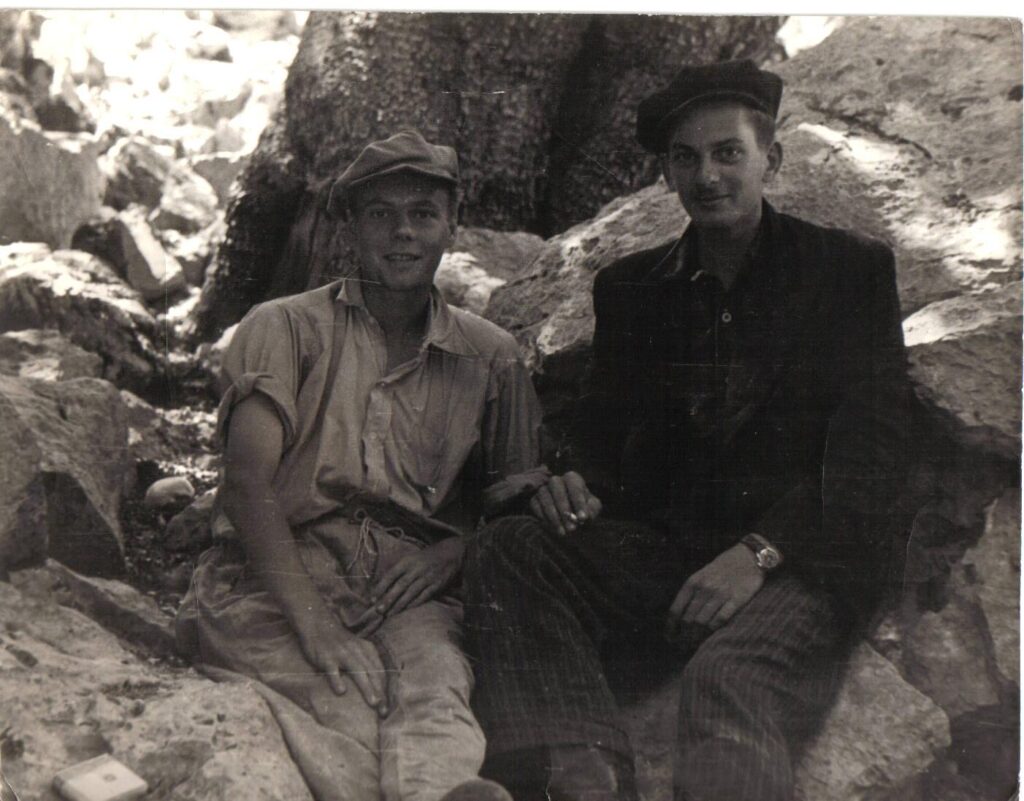
Oliver’s grandfather is on the right of this photograph taken near the house. John was an S.O.E. agent sent to Crete during the Occupation to foster unity between the resistance factions. The S.O.E. pulled off an extraordinary stunt in the abduction of the general commanding the German garrison – for this story, see Ill Met by Moonlight.
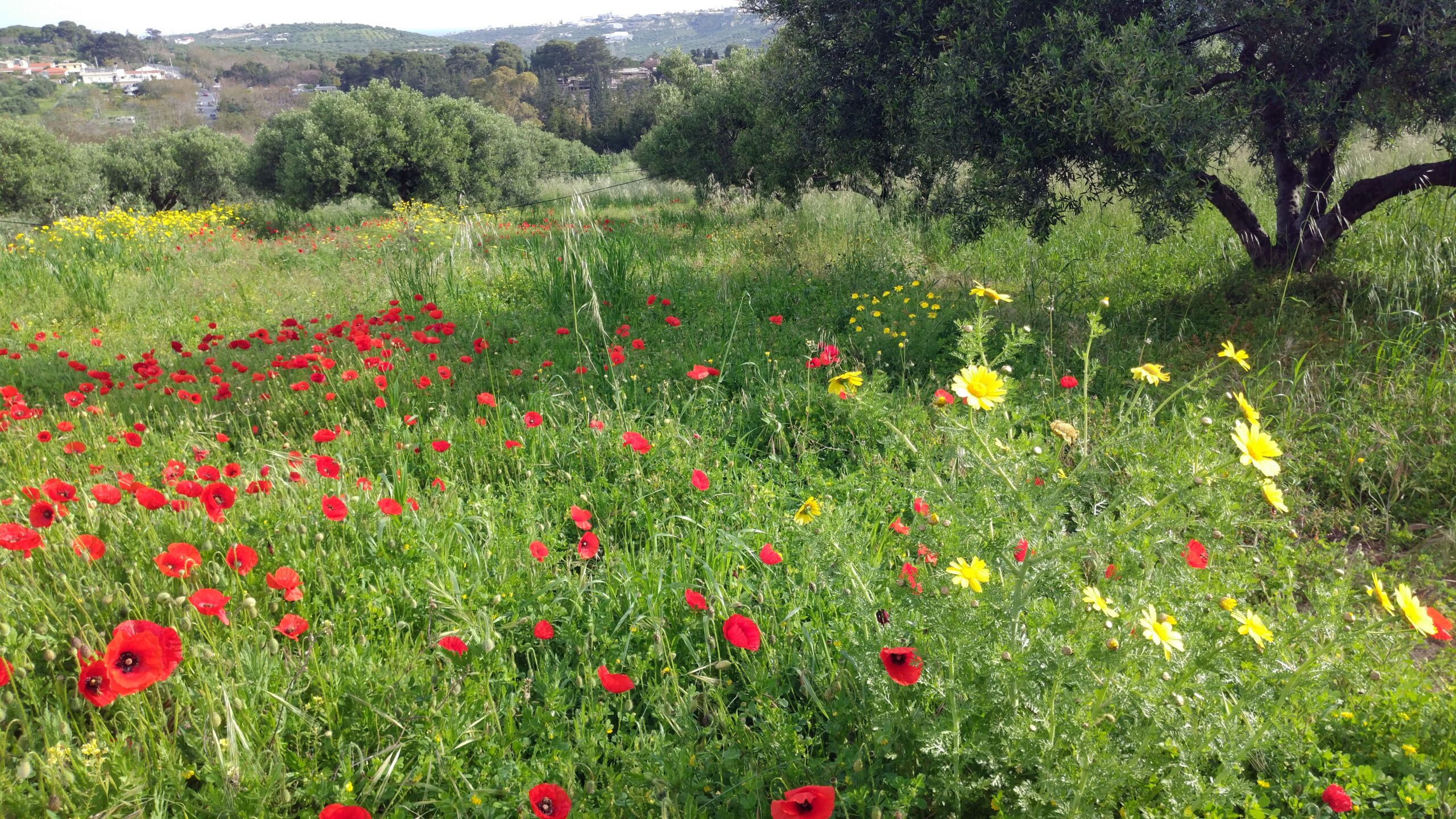
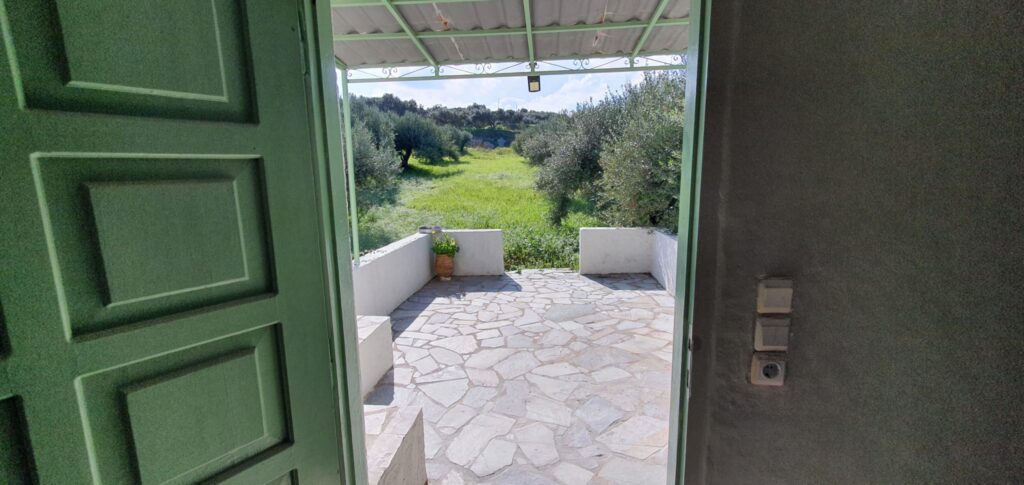
Villa Phyllia is available for guests who appreciate the history and special atmosphere of this site.
Visit these places of interest near us…walking distance.
What you need to know
For bookings contact: Oliverormrod@gmail.com
FAQs
https://maps.app.goo.gl/9tiAsySk3cCLbni1A